
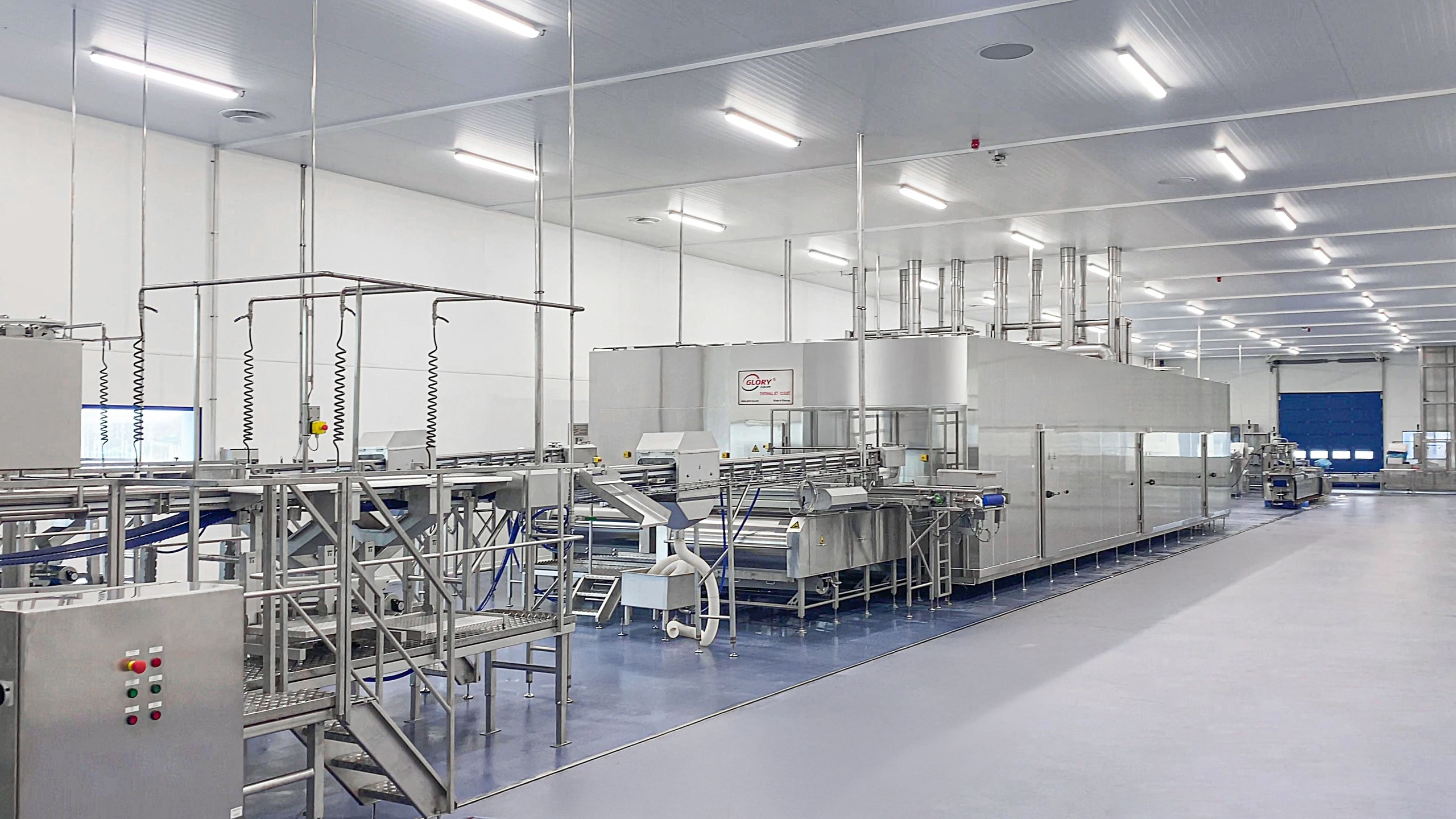
I/ Introduction: Why Purchase Price Is Only Part of the Cost
When investing in an IQF freezing line, many processors focus primarily on equipment purchase price (CAPEX).
However, the real financial impact of an IQF system is determined over years of operation, not on the day it is installed.
This is where Total Cost of Ownership (TCO) becomes critical.
TCO provides a complete picture of all costs associated with owning and operating an IQF freezing line, allowing processors to make informed, long-term investment decisions.
II/ What Is Total Cost of Ownership (TCO)?
Total Cost of Ownership (TCO) represents the sum of all costs incurred over the entire lifecycle of an IQF freezing line.
TCO typically includes:
Initial investment (CAPEX)
Operating costs (OPEX)
Production losses and inefficiencies
Maintenance and downtime
End-of-life or upgrade considerations
👉 Key principle:
The IQF line with the lowest purchase price does not necessarily have the lowest TCO.
III/ Key Cost Components of an IQF Freezing Line TCO
1. Capital Expenditure (CAPEX)
CAPEX includes:
IQF freezer itself
Refrigeration system
Conveyors and auxiliaries
Installation and commissioning
Electrical and control systems
While CAPEX is a one-time cost, it strongly influences:
Performance capability
Energy efficiency
Long-term reliability
2. Energy Consumption
Energy is one of the largest recurring costs in IQF freezing operations.
Key energy drivers:
Airflow intensity and fan efficiency
Refrigeration system performance
Insulation quality
Defrost system design
Even small efficiency differences can result in significant cost variation over years of operation.
3. Yield Loss and Dehydration
Yield loss is often the most underestimated TCO component.
Yield is affected by:
Freezing speed
Airflow control
Surface dehydration
Drip loss after thawing
👉 A 1–2% yield difference can outweigh energy savings or lower CAPEX over time.
4. Labor and Operational Efficiency
Labor-related costs include:
Operators required per shift
Supervision and training
Manual intervention due to process instability
IQF lines with stable automation and consistent performance:
Require fewer interventions
Reduce operator dependency
Lower long-term labor cost
5. Maintenance and Spare Parts
Maintenance costs depend on:
Equipment design and component quality
Accessibility for cleaning and service
Wear on fans, belts, and moving parts
Poor design increases:
Spare part consumption
Unplanned downtime
Maintenance labor hours
6. Downtime and Production Loss
Unplanned downtime directly impacts:
Production capacity
Order fulfillment
Revenue
TCO should account for:
Frequency of breakdowns
Duration of maintenance stops
Cleaning and sanitation time
High uptime is often more valuable than marginal energy savings.
7. Hygiene and Cleaning Costs
IQF lines designed with hygienic principles:
Reduce cleaning time
Use less water and chemicals
Shorten sanitation downtime
生産ラインの耐用年数全体を通して見ると、衛生関連のコスト削減効果は相当なものになる可能性があり、特に輸出志向型の工場では顕著である。
8. 柔軟性と将来的な拡張性
柔軟性の高いIQF冷凍ラインは、以下のことが可能です。
複数の製品を扱う
市場の変化に適応する
耐用年数を延ばす
剛性システムには以下が必要となる場合があります。
早期交換
高額な改造費用
並行設備投資
柔軟性が低い 将来の再投資コスト総所有コスト(TCO)を削減する。
IV/ IQF冷凍ラインのTCOの計算方法
正確な計算方法は様々ですが、簡略化されたアプローチとしては以下のものがあります。
👉 IQFシステムを比較する 完成品1kgあたりのコスト 多くの場合、最も明確な洞察を与えてくれる。
V/ TCO評価におけるよくある間違い
IQFシステムを購入価格のみで比較する
収量損失と脱水を無視する
エネルギーコストの上昇を過小評価している
ダウンタイムと清掃損失を見過ごす
製品構成の変化を考慮しないこと
これらの間違いはしばしば 長期的に見てコストが高くなる初期投資額が少なくても。
VI/ TCOがCAPEXよりも重要な理由
IQF冷凍ラインとは コア生産資産一般的には以下のように動作します。
1日に複数回のシフト
10~20年間
設備投資リスクのみに基づく意思決定:
運用コストの上昇
収穫量が少ない
競争力の低下
TCO(総所有コスト)を重視した意思決定では、以下の点を優先します。
一貫した品質
安定した運用
予測可能な収益性
VII/ IQF冷凍ラインの総所有コストを削減する方法
プロセッサは以下の方法でTCOを削減できます。
製品に最適化されたIQFシステムを選択する
収量維持と冷凍効率を優先する
エネルギー効率の高い設計への投資
衛生的でメンテナンスが容易な構造を確保する
用途固有のニーズを理解しているサプライヤーと協力する
VIII/結論
IQF冷凍ラインの真のコストは購入価格ではなく、 寿命期間を通してどれだけ効率的に動作するか.
評価することで Total Cost of Ownership (TCO)食品加工業者は、以下の点について現実的な理解を深めることができます。
長期運営費
収量と品質への影響
投資収益とリスク
最適化されたTCOを備えた適切に設計されたIQF冷凍ラインは、 持続可能な業績、予測可能な投資収益率、そして長期的な競争力.