
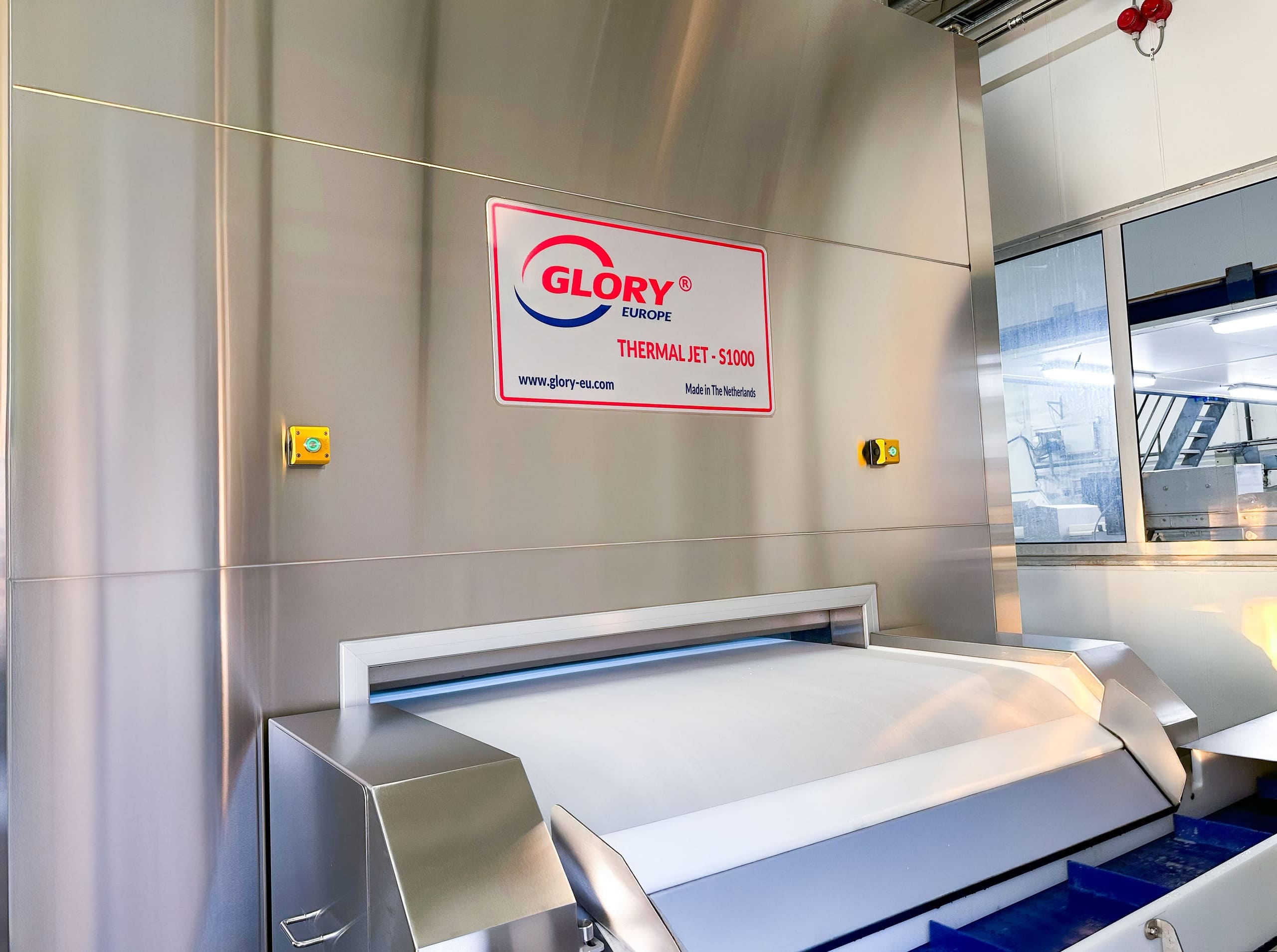
I/ Introduction: Why IQF Freezer Cost Varies So Much
One of the most common questions food processors ask is:
“How much does an IQF freezer cost?”
The short answer is: there is no single price.
IQF freezers are engineered systems, not off-the-shelf machines.
The final investment depends on multiple technical, operational, and strategic factors—many of which are often overlooked during early budgeting.
This article explains:
Typical IQF freezer cost ranges
Key factors that influence investment
Why focusing only on purchase price can be misleading
II/ Typical IQF Freezer Cost Range (Industry Overview)
While prices vary widely, a general industry reference looks like this:
Small / pilot-scale IQF freezer:
→ USD 150,000 – 300,000Medium-capacity industrial IQF freezer:
→ USD 300,000 – 800,000Large-capacity or customized IQF freezing line:
→ USD 800,000 – 2,000,000+
⚠️ These figures are indicative only.
Actual cost depends on configuration, product requirements, and plant conditions.
III/ Key Factors That Affect IQF Freezer Investment
1. Product Type and Application
Different products require different IQF technologies.
For example:
Shrimp, small seafood → mesh belt IQF
Soft fillets or glazed products → steel belt IQF
Small vegetables → fluidized bed IQF
Each application affects:
Freezer design
Airflow system
Belt type
Overall cost
👉 More complex products = higher investment
2. Required Capacity and Throughput
IQF freezers are sized based on:
kg/hour capacity
Product density
Desired freezing time
Higher capacity requires:
Larger heat exchange surface
Stronger airflow systems
More powerful refrigeration
👉 Capacity is one of the biggest cost drivers.
3. Freezing Performance Requirements
Higher performance expectations increase cost:
Faster freezing speed
Lower dehydration
Higher yield retention
Tighter temperature control
These require:
Advanced airflow design
More precise controls
Higher-grade components
4. Energy Efficiency and Operating Cost
Energy-efficient IQF freezers often cost more upfront but:
Reduce electricity consumption
Lower long-term operating cost
Improve sustainability performance
Features that impact cost:
Fan efficiency
Insulation quality
Defrost system design
Heat recovery options
👉 Lower CAPEX ≠ lower total cost
5. Hygiene Design and Food Safety Standards
IQF freezers designed for EU / export markets typically include:
Full stainless steel construction
Open, hygienic design
Easy access for cleaning
Compliance with HACCP, CE standards
These features increase initial cost but:
Reduce downtime
Improve food safety
Lower sanitation labor cost
6. Level of Customization
Standard IQF models are more affordable.
Customized solutions increase cost due to:
Unique product characteristics
Space constraints
Integration with existing lines
Customization often delivers:
Better performance
Higher yield
Smoother operation
7. Automation and Control Systems
Advanced automation increases investment but offers:
Stable product quality
Reduced operator dependency
Better data monitoring
Cost-impacting options include:
PLC systems
Recipe management
Remote monitoring
IV/ Beyond Purchase Price: Total Cost of Ownership (TCO)
Many processors focus only on initial purchase price, but the real cost lies in long-term operation.
TCO Includes:
Energy consumption
Yield loss
Maintenance and spare parts
Downtime
Labor
An IQF freezer with higher upfront cost but:
Better yield
Lower dehydration
Higher uptime
often delivers lower cost per kg frozen over its lifetime.
V/ ROI: When Does an IQF Freezer Pay for Itself?
Return on investment depends on:
Production volume
Yield improvement
Energy efficiency
Market price of final product
In many cases, even a 1–2% yield improvement can:
Offset higher investment
Significantly improve profitability
IQF freezers are typically viewed as strategic, long-term assets, not short-term purchases.
VI/ Common Mistakes When Budgeting for an IQF Freezer
Comparing machines only by price
Ignoring yield and dehydration loss
Underestimating energy consumption
Overlooking hygiene and downtime costs
Choosing capacity without considering future growth
VII/ How to Choose the Right IQF Freezer Investment
To make the right investment decision:
Define product and quality targets clearly
Evaluate yield, not just capacity
Compare total cost of ownership
Consider long-term market strategy
Work with suppliers who understand your application
VIII/ Conclusion
So, how much does an IQF freezer cost?
The real answer depends on what you expect it to deliver.
An IQF freezer is not just a machine—it is a core production asset that directly affects:
Product quality
Yield
Operating cost
Market competitiveness
Investing in the right IQF freezing solution ensures sustainable performance, predictable ROI, and long-term value for food processors.